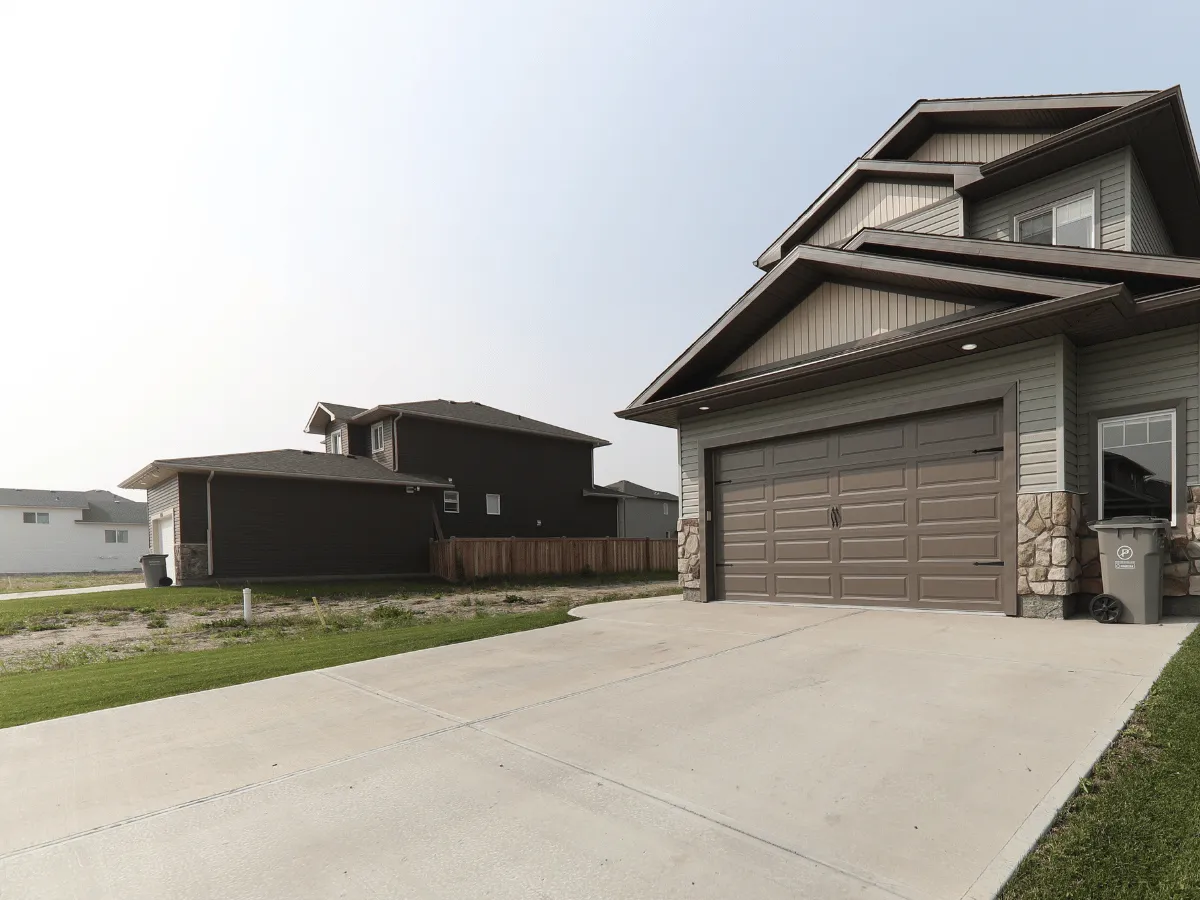
Driveway Paving Contractor: How to Pick One That Doesn’t Let You Down
When you search for a driveway paving contractor, you’re not just hiring someone to lay asphalt or concrete. You’re trusting them with your homes curb appeal, durability, and your hard-earned money. Mistakes here cost. Big time.
That’s where Tranes Customs comes in. We’ve seen what happen when crews cut corners—cracks, puddles, uneven surfaces, weird colors. And we refuse to be that contractor. We combine craftsmanship, transparency, and real care.
In this article, I’ll help you see through the fluff. You’ll learn how to spot a dependable paving pro, decode proposals, understands cost drivers, avoid common pitfalls, and maintains your driveway so it doesn’t look like a war zone five years in.
Let’s roll up our sleeves.
Key Takeaways
What qualifications and signs to look for in a reliable driveway paving contractor
How to dissect a paving bid and compare apples to apples
The main cost drivers and smart ways to get value
Mistakes many homeowners make (so you don’t)
Maintenance tips for a driveway that lasts
What Does a “Driveway Paving Contractor” Actually Do?
You think they just dump asphalt or concrete and smooth it out? Not quite. A skilled contractor handles much more.
Core Responsibilities
Site prep & grading: Slope, drainage, soil compaction — done wrong, water becomes your enemy.
Base & sub-base work: Gravel, crushed stone — the foundation beneath the visible layer.
Material selection & mix design: Strength, additives, aggregate — each job needs its own “recipe.”
Paving / laying the surface: Asphalt, concrete, or composite — proper methods, temperature control, timing.
Finishing & joints: Edge work, control joints to reduce random cracking.
Curing & protection: Letting the material “set up” properly, shielding it from premature stress.
Quality control & final inspection: Verifying thickness, smoothness, adhesion, surface finish.
A sloppy contractor may skip, rush, or “hope for the best.” With Tranes Customs, that’s not acceptable. Every job gets checks at each stage.
Plus, many driveway pros also offer concrete services beyond just paving — repairs, sealing, overlays. Having a contractor who understands both scopes adds big value.

How to Evaluate & Compare Contractor Proposals
This is where many homeowners get tricked. Two bids might look similar — but hidden differences make all the difference.
What a Good Quote Should Include
Scope: square footage, depth/thickness, surface type (asphalt, concrete)
Material specs: mix strength (PSI), aggregate sizes, additives
Sub-base & base details: type & compaction, base material thickness
Drainage & slope plan: how water is directed away
Edge/foundation work: curbs, borders, transitions
Jointing & reinforcement details: mesh, rebar, control joint layout
Curing method & protection: covers, constant moisture, membranes
Timeline & phasing
Warranty / guarantee & defect corrections
Exclusions / clarifications: things not included
If a quote is vague — “lay paving material, finish surface” — that’s a red flag.
Ask These Smart Questions
What’s your experience with similar jobs? Can you show photos, references?
How do you ensure proper compaction and base stability?
What’s your plan if unexpected soil conditions are found?
Who inspects and signs off on each stage?
What happens if there’s weather delay or material shortage?
When you press for clarity, you’ll see who knows their stuff. That’s when Tranes Customs stands out: we answer the tough stuff, not dodge it.
What Drives Cost in Driveway Projects
Understanding cost drivers means you don’t pay for surprises (or fluff).
Major Variables
Size & thickness
Bigger area, deeper material = more cost.Material type & quality
Premium mixes, additives, improved aggregates cost more.Site access & terrain
Tight spaces, steep slopes, poor access = labor cost up.Subsurface conditions
Weak soil, drainage issues, hidden rock or organics require extra prep.Finishes & details
Decorative edges, stamped surfaces, color, polishing — all add labor/time.Reinforcement & jointing
Wire mesh, rebar, extra joints = more materials + work.Drainage & grading
Proper slope, gutters, drainage pipes — critical but often overlooked.
Ballpark Numbers (for illustration)
These numbers vary regionally. Use with caution.
Standard asphalt driveway: $6–$12 per sq ft
Concrete driveway (plain): $8–$20 per sq ft
Decorative concrete / stamped: $15–$30+ per sq ft
Getting three competitive bids helps — but only if each is based on the same specs.
Common Mistakes & How to Avoid Them
Even well-meaning homeowners get caught by pitfalls. I’ve seen them. You don’t have to.
Mistakes People Make
Accepting the lowest bid without scrutiny
Skipping soil tests & proper compaction
Ignoring slope or drainage design
Pouring or paving under bad weather conditions
Rushing curing & protection
Failing to control joints or reinforcement
No plan for future wear, water, or load stress
Avoidance Tactics
Require test results or compaction reports
Make sure drainage is part of the contract
Ask for a “weather buffer” clause
Insist on curing plans and surface protection
Use joint layout drawings
Plan for maintenance (seal, repair) ahead
When mistakes are prevented early, cost of correction is tiny compared to after-job repair. That’s why Tranes Customs invests time in planning, not cutting corners.

Maintenance: Keep Your Driveway Looking & Working Great
You can pour with excellence. But if you neglect it, time will beat you.
Maintenance Tips
Seal sealing: every 3–5 years, depending on climate
Clean regularly — debris, oil stains accelerate wear
Watch for cracks or spalls – repair early
In winter: avoid aggressive deicers, use broomed sand
Don’t overload prematurely — let the surface cure to full strength
Repair Approaches
Hairline cracks (< 1/8"): crack seal or epoxy
Wider cracks / spalling: patch with polymer-modified mortar
Overlay or resurfacing: if surface is worn but substrate is solid
Full-depth repair: remove bad zone and re-pour
By doing maintenance, you may double or triple your driveway’s life.
Why Tranes Customs Is the Partner You Want
Every driveway job is personal. Every foot poured reflects our pride — not just a paycheck.
Experience across both driveway paving and concrete services
Clear, transparent proposals (nothing hidden)
Quality control at every stage, not just at the end
Warranties and accountability
Portfolio & satisfied clients — we let our work speak
When you hire Tranes Customs you get more than a contractor. You get someone caring about your property, your investment, your peace of mind.
FAQs
1. How soon can I drive on a new paved driveway?
Typically 24–48 hours for light traffic (depending on material). Full strength in roughly 7–28 days.
2. Asphalt or concrete — which is better?
It depends. Asphalts is easier to repair and more flexible; concrete is more durable long term. Project specifics tip the balance.
3. Do I need a permit for driveway paving?
Often yes — especially if you change drainage, impervious surface area, or curb connections. Always check local codes.
4. How often should I reseal the driveway?
Every 3–5 years — or early if the surface looks worn, faded, or is absorbing water.
5. Can I pave over the existing driveway?
Sometimes. Only if the base is stable and the surface is sound. Otherwise you'll trap problems underneath.
Conclusion
Choosing a driveway paving contractor isn’t a trivial decision. It’s a long-term investment. You deserve durability, transparency, and a final result that doesn’t embarrass you five years later.
If you use the tools here — compare proposals smartly, avoid pitfalls, maintain well — you’ll end up with a driveway that stands tough.
And yes — Tranes Customs is ready to deliver that outcome.
Call to Action
Want a driveway that lasts, looks good, and adds value? Reach out to Tranes Customs today for a free consultation. We’ll walk you through options, show you real numbers, and build it right.
